


2026 Global Stainless Steel Filter Mesh Market Outlook: Battery Materials, Semiconductors and Water Treatment Drive Micron-Level Filtration Demand
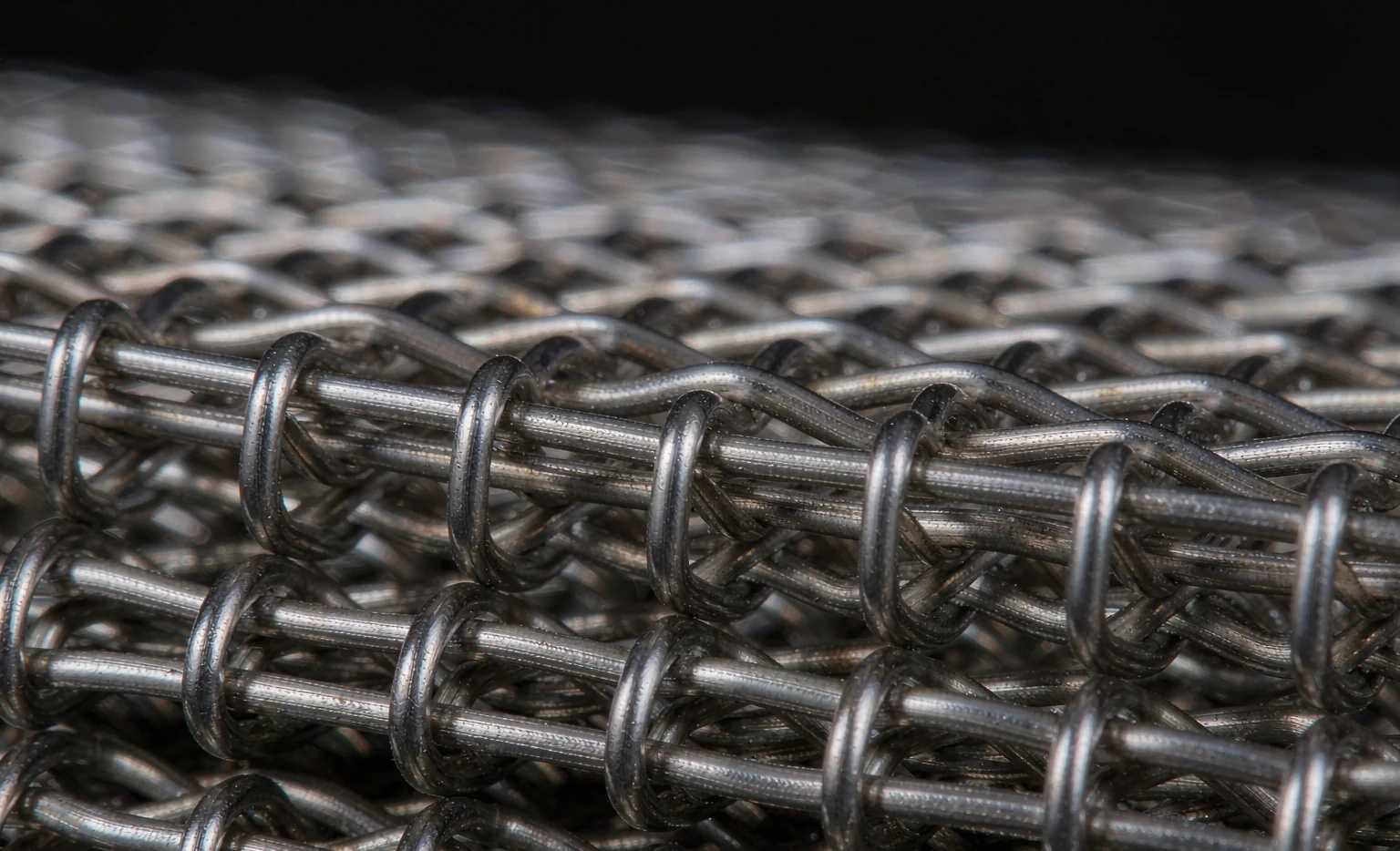
ANPING COUNTY, HEBEI, CHINA — Demand for stainless steel filter mesh is entering a new growth cycle. Battery material production, semiconductor cleaning and tighter water-treatment standards are pushing buyers away from commodity screening cloth and toward finer, more consistent and fully cleanable filtration media. A 2026 market study by 24ChemicalResearch values the global stainless steel microporous mesh market at roughly USD 832.5 million this year and projects growth to USD 1.25 billion by 2034, a compound annual growth rate of about 5.2%.
For manufacturers and distributors, the shift is structural rather than cyclical. “Customers no longer buy mesh by mesh count alone,” says a technical sales manager at DXR Wire Mesh. “They buy by the performance of the finished filter — aperture stability, cleanability and traceability. That changes what a supplier has to deliver.”
From Commodity Mesh to Precision Filtration Media
Stainless steel filter mesh has long been a mainstay of industrial separation, prized for corrosion resistance, mechanical strength and the ability to withstand high temperatures and repeated cleaning. Historically, much of the market competed on price and basic weave. That is changing.
Across downstream industries, stricter purity standards and rising total-cost-of-ownership awareness are rewarding suppliers who can guarantee uniform openings, certified material and repeatable performance from roll to roll. Reusable stainless steel media increasingly displaces disposable polymer filters in continuous-process applications, because it can be backflushed, ultrasonically cleaned or thermally treated and returned to service.
The result is a bifurcation in the market: standard woven cloth remains highly price-competitive, while precision grades — fine plain weave, twill and Dutch weave in 304, 316 and 316L — are growing faster and commanding a premium.
Demand Driver 1: Battery Materials and New Energy
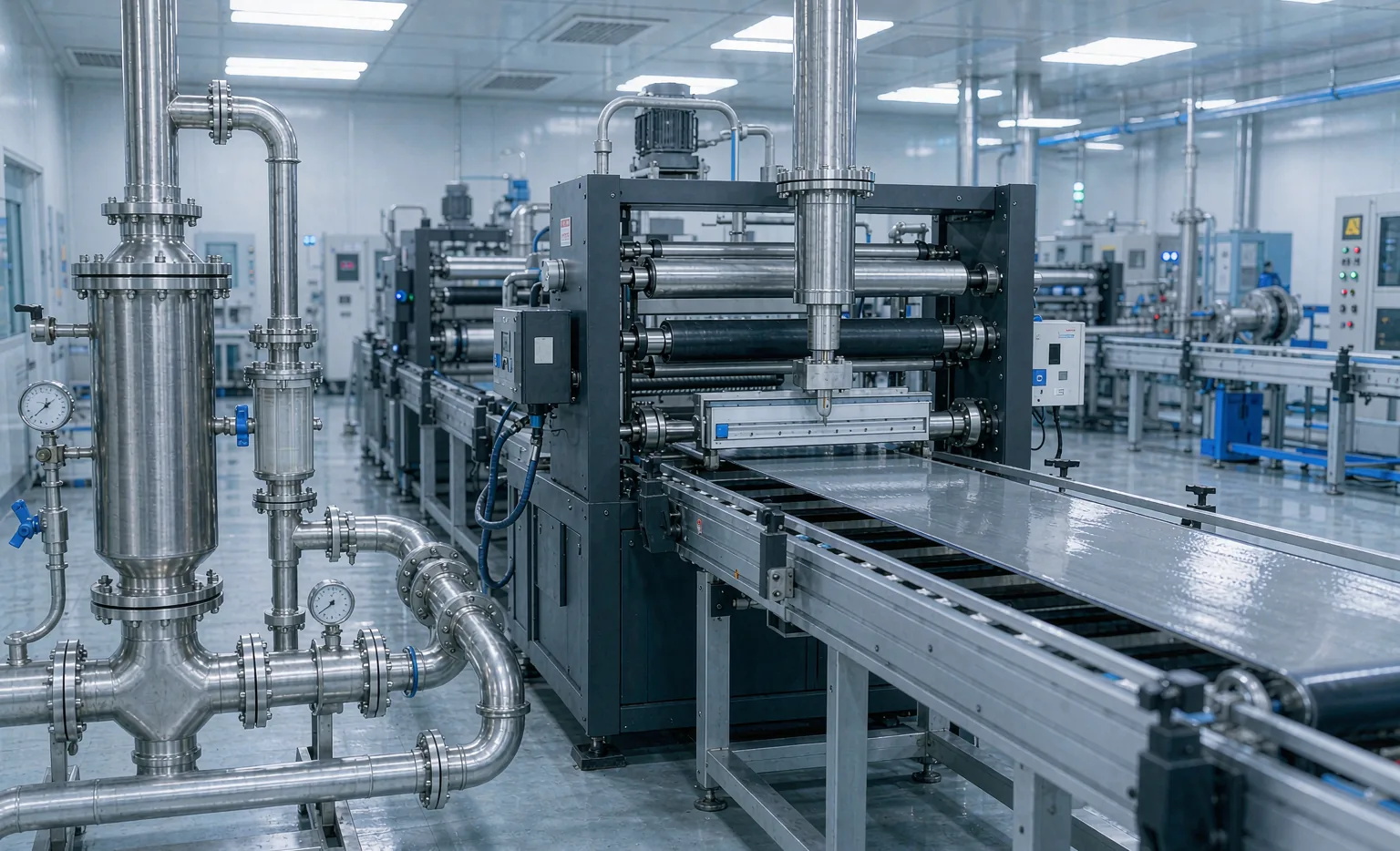
The fastest-growing pull on precision filtration comes from new energy. Lithium-ion battery manufacturing consumes large volumes of filtration media across electrolyte purification, slurry preparation and electrode coating. Each step demands mesh that can hold sub-micron to low-micron particles without shedding wire or contaminating the process.
Market analyses consistently flag battery materials as a high-growth application, alongside hydrogen storage and semiconductor processing. In China, new capacity announced for 2026 is concentrated in photovoltaic silver-paste filtration and lithium battery electrolyte purification — both of which require high-purity, corrosion-resistant cloth in the 280 to 400 mesh range. For suppliers, this segment rewards tight quality control and mill test certificates, not just low quotes.
Demand Driver 2: Semiconductor and Pharmaceutical Purity
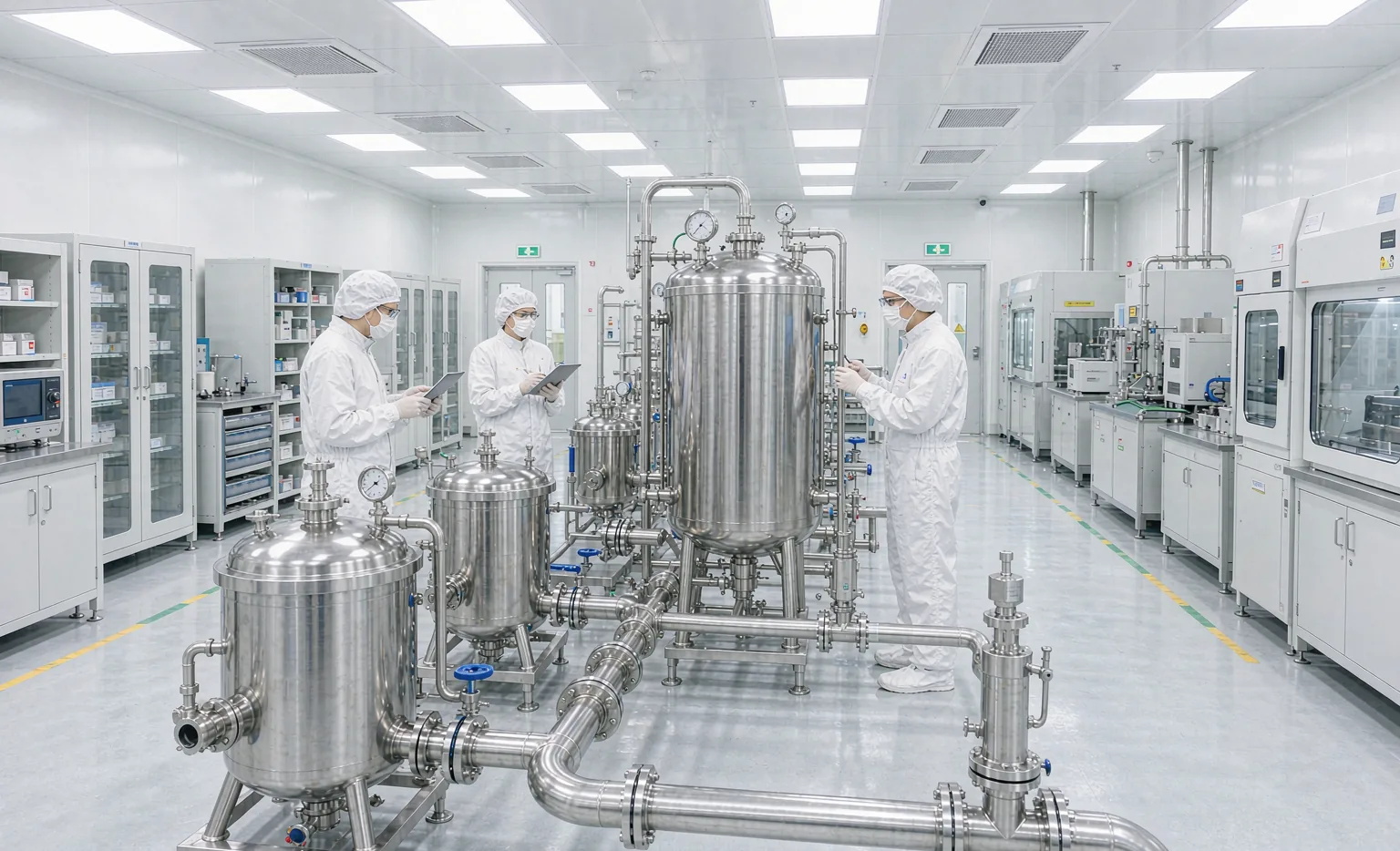
Semiconductor wet-processing and pharmaceutical production are the second major driver. As chemical delivery systems and clean utilities demand higher cleanliness, orders for high-purity 316L and duplex stainless cloth are climbing. In pharmaceutical applications, tighter GMP enforcement is shortening replacement cycles for sanitary filters, while FDA and EU GMP expectations make full material traceability a purchasing prerequisite.
These buyers specify 〔316L stainless steel filter cloth〕 down to fine micron ratings and expect documentation to match every batch. Dutch weave and sintered multilayer constructions are increasingly specified where fine particle retention and long service life justify the higher upfront cost.
Demand Driver 3: Water Treatment and Zero Liquid Discharge
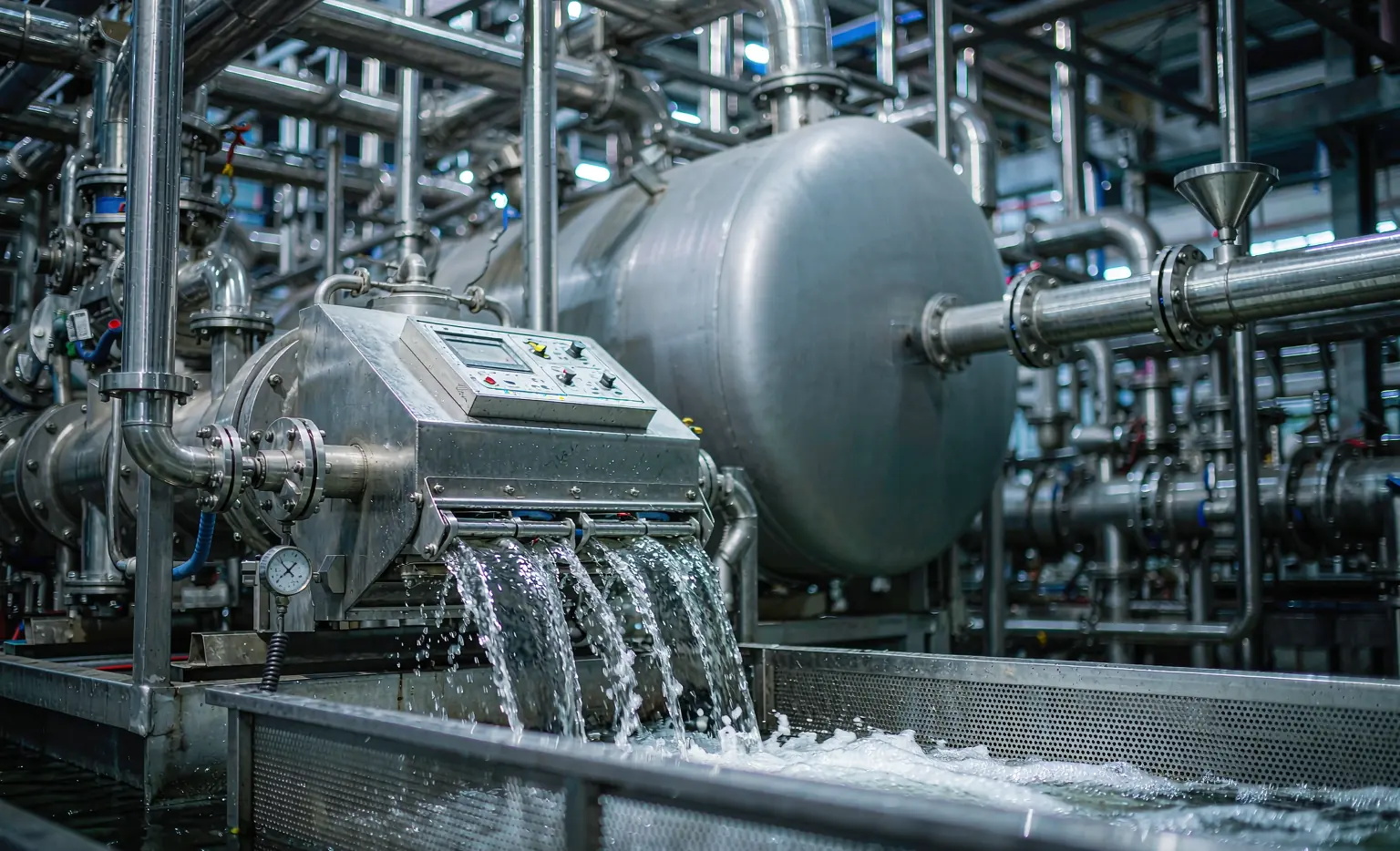
Water treatment remains the largest volume anchor. Industrial wastewater zero-discharge projects, municipal screening upgrades and stricter discharge rules are accelerating the replacement of aging filtration equipment. Stainless steel mesh is favored where corrosion resistance and cleanability matter more than the lowest initial price — particularly in saline, chemical-laden or high-temperature streams.
Reusable mesh also aligns with sustainability and circular-economy targets. Because it can be cleaned and returned to service rather than discarded, it reduces operational waste and long-term cost, a benefit that resonates strongly with buyers in regions subject to stringent environmental regulation.
What Buyers Should Specify: Grade, Weave and Traceability
Faced with a crowded market, procurement teams are being urged to look beyond headline mesh counts. Three specifications matter most:
- Material grade. 304 suits general industrial filtration. 316 and 316L add molybdenum for roughly 50% better chloride-corrosion resistance, making them the default for marine, pharmaceutical and chemical service.
- Weave structure. Plain weave offers uniform square apertures for general liquid and particle filtration; twill weave provides higher strength at fine counts; Dutch weave delivers dense, tapered openings for micron-level separation.
- Documentation. Mill Test Certificates, batch traceability and compliance with standards such as ASTM E2016 and ISO 9044 separate verifiable supply from generic claims.
Buyers evaluating 〔precision stainless steel filter mesh〕 should request aperture-distribution data and ask whether opening size holds across the full roll width — the factor that most affects yield when cloth is cut into discs, tubes or screen panels.
Supply-Side Shift: Factory-Direct Supply and Localization
On the supply side, production is consolidating and moving closer to end markets. Market research points to rising regional self-sufficiency, with Asia Pacific cementing its role as the global manufacturing base and Chinese producers gaining share in higher-grade products as import substitution advances.
For international buyers, the practical effect is shorter lead times and more direct access to mills — but also greater variation in quality between suppliers. Established manufacturers with in-house weaving, inspection and fabrication are better positioned to hold tolerances and honor specifications on repeat orders.
Outlook
The direction for 2026 and beyond is clear: filtration media are becoming more application-specific, more documented and more performance-driven. Demand from battery materials, semiconductors and water treatment is expected to keep precision stainless steel mesh on a steady growth path, while buyers grow more sophisticated about what they require from a supplier.
“Our job is to make the next roll behave exactly like the last one,” the DXR technical sales manager adds. “In precision filtration, consistency is the product.”
About DXR Wire Mesh
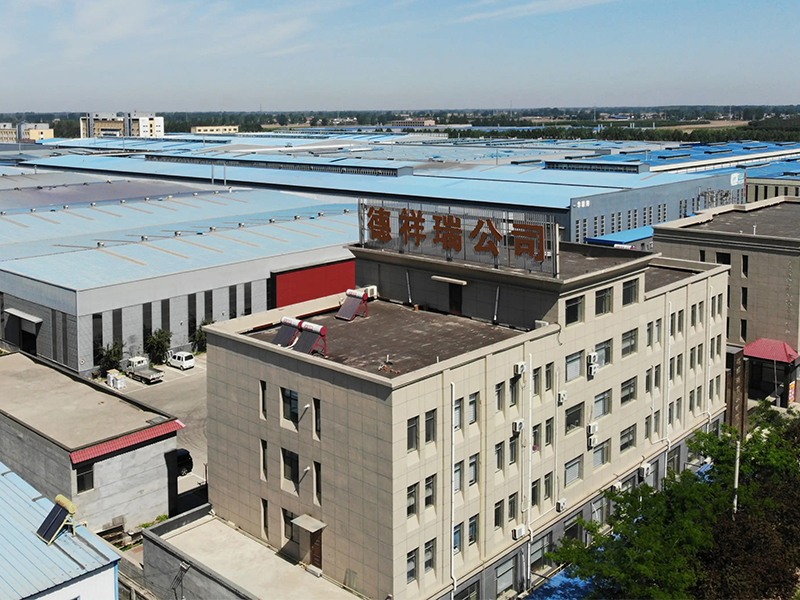
Anping County De Xiang Rui Wire Cloth Co., Ltd. (DXR Wire Mesh) is a manufacturer and trading combination of wire mesh and wire cloth based in Anping County, Hebei Province, China — the hometown of the wire mesh industry. Founded in 1988, DXR has more than 30 years of experience and delivers around 90% of its annual output of roughly USD 30 million to customers in more than 50 countries and regions. The company produces woven wire mesh, stainless steel wire cloth, Dutch weave mesh, crimped mesh and fabricated filter elements for industrial filtration, screening and separation.
Contact: Anping County De Xiang Rui Wire Cloth Co., Ltd., No. 18 Jing Si Road, Anping Industrial Park, Hebei Province, China · Email: sales@wireclothmesh.com · Tel: 008618603187687
Post time: Nov-18-2026