



✔ Send Your Mesh Specification Now
✔ Get Free Sample Consultation
✔ Customized production available

Titanium Expanded Metal for Chemical Processing and Desalination Applications
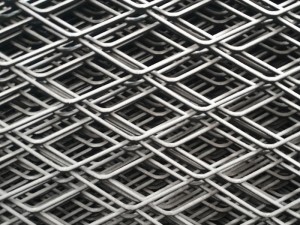
Expanded Metal Mesh
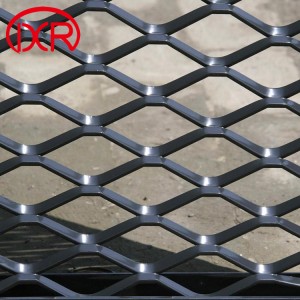
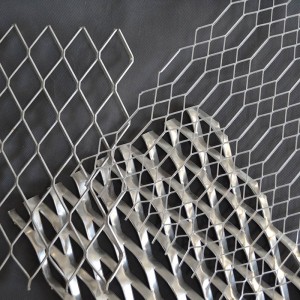
Titanium Expanded Metal is a lightweight yet high-strength metal mesh manufactured by slitting and stretching pure titanium sheets into a uniform diamond-shaped structure.
Unlike welded or perforated metal sheets, Titanium Expanded Metal is produced without welding points or material waste, ensuring better structural integrity and long-term durability.
Technical Specification
| Material | Pure Titanium (Grade 1 / Grade 2) |
| Structure | Expanded (Diamond Pattern) |
| Thickness | Customizable |
| Open Area | 40% – 70% |
| Surface | Natural Titanium Finish |
| Corrosion Resistance | Excellent in seawater & chemical media |
Why Titanium Expanded Metal is Ideal for Chemical Processing?
In chemical processing environments, materials must resist strong acids, alkalis, and high-temperature conditions.
Titanium offers a natural advantage due to its stable oxide film (TiO₂ layer), which forms instantly when exposed to air or moisture. This layer acts as a protective barrier, preventing further corrosion.
Titanium corrosion rate in seawater is typically less than 0.01 mm/year, making it one of the most stable industrial metals for marine and chemical use.
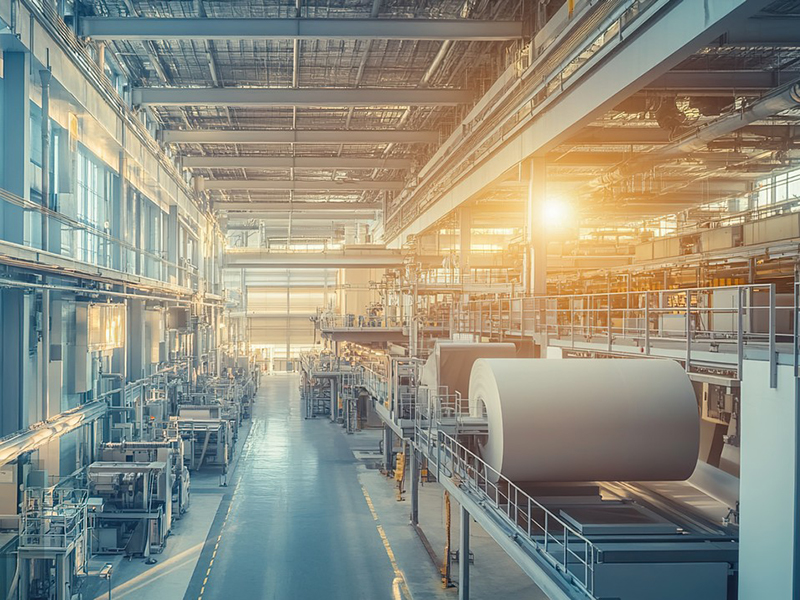
Excellent Performance in Desalination Systems
Desalination plants require materials that can withstand continuous exposure to high-salinity water and chloride-rich environments.
Titanium does not suffer from chloride pitting corrosion like stainless steel
Maintains structural stability even under long-term saltwater exposure
Titanium Expanded Metal is widely used in:
- Filtration support structures
- Brine handling systems
- Evaporation units
- Anti-corrosion protective layers
Structural Advantages of Expanded Metal Design
Compared with perforated metal sheets, expanded metal maintains higher mechanical strength at lower weight, improving installation efficiency in large-scale industrial systems.
The expanded metal structure is formed without welding, which provides:
- Continuous one-piece structure
- No weak welded joints
- Improved load distribution
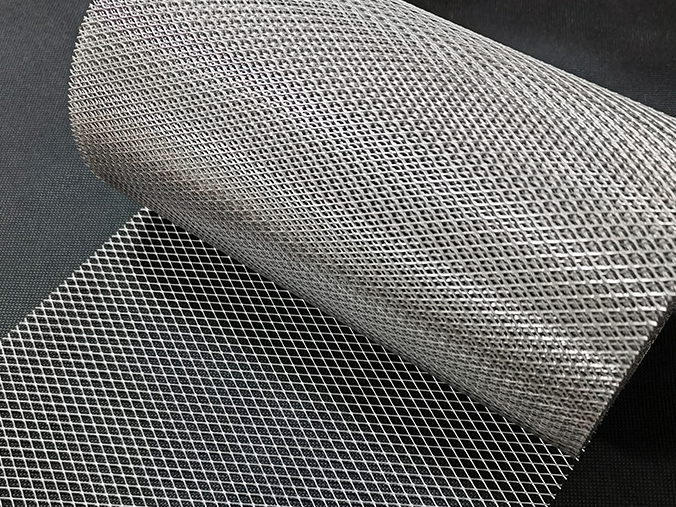

Titanium Expanded Metal is widely used in
- Chemical processing equipment
- Desalination plants
- Marine engineering structures
- Corrosion-resistant filtration systems
- High-end industrial platforms
Lightweight but High Strength Material
Titanium already has a high strength-to-weight ratio, and the expanded structure further enhances material efficiency.
- Reduced structural load on equipment
- Easier installation in chemical plants
- Lower transportation cost for bulk orders
Surface Stability and Long Service Life
Titanium naturally forms a passive oxide layer that regenerates automatically when scratched.
- No need for additional coating
- No peeling or surface failure over time
- Service life significantly longer than stainless steel in corrosive environments

Why Choose Us
✔ 30+ years wire mesh manufacturing experience
✔ Professional mining screening mesh production
✔ OEM and customized design service
✔ Fast production and delivery
✔ Exported to South America, Europe and Middle East
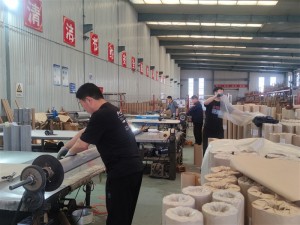
Inside The Factory

Workshop

Production Machine

How To Order
Please send us your specification, Our technical team will reply within 12 hours. Including:
FAQ
Titanium Expanded Metal is produced by slitting and stretching a solid titanium sheet into a diamond-shaped mesh structure. Unlike perforated metal, it is manufactured without punching holes or generating scrap, which results in a continuous structure with no weak points.
Higher structural strength | Better load distribution | Lower material waste
Titanium naturally forms a stable oxide layer (TiO₂) on its surface, which protects it from corrosive chemicals such as acids and alkalis.
Therefore, titanium expanded metal mesh is more resistant to chemical corrosion, maintains long-term structural stability, and reduces maintenance and replacement costs.
Yes, titanium expanded metal mesh is widely used in seawater desalination due to its excellent resistance to seawater and chloride corrosion.
Compared to stainless steel, titanium does not suffer from chloride pitting corrosion, exhibits reliable performance in high-salinity environments, and has a significantly longer service life.
Stretched mesh structures form a one-piece mesh structure, eliminating the need for welded joints, thus improving durability and strength.
Key advantages include: No risk of weld failure, higher strength-to-weight ratio, and better airflow and drainage performance.
Write your message here and send it to us